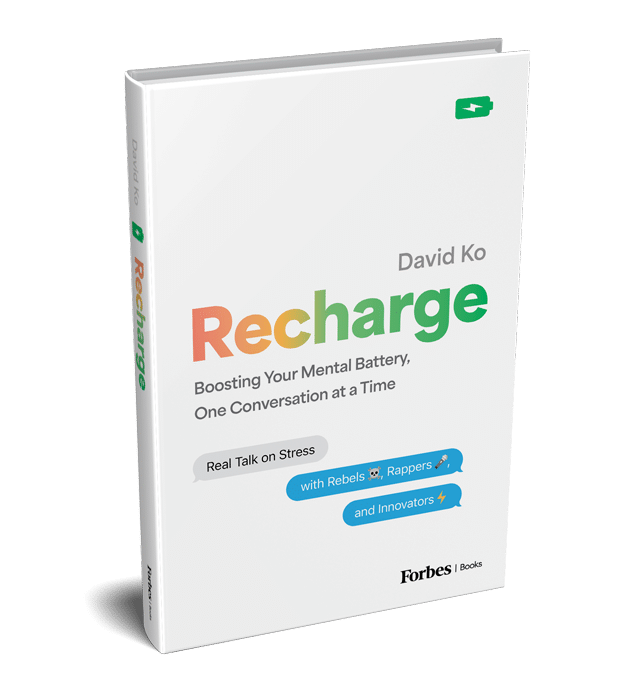

As CEO of Calm, business leader, and author, I’ve come to realize that stress management isn’t just a perk—it’s a necessity. I also know there is no such thing as a stress-free workplace. At our company, we may start some of our meetings with a meditation—but we still have hard conversations and workplace stress.
Here are the techniques I believe can make a real difference for how to manage stress at work:
- Schedule Time to Recharge: I understand how hectic the workday can get. It’s why I set alarms throughout the day to remind myself to pause, to reach out to text a friend, to step outside. Mindfulness is simply being aware and present, reducing the impact of stressors.
- Take a Deep Breath: When stress hits, don’t underestimate the impact of deep breathing. Science backs the idea that breathing helps synchronize our brains in the areas of emotion and memory. Try it now: The square breath or box breath technique can be used anywhere, anytime. Picture a square in your mind, and as you do each of the following steps, imagine traveling along each side of the square until you complete all four sides: Inhale for four seconds, hold for four seconds, exhale for four seconds, hold for four seconds.
- Prioritize Sleep: In my younger days, I thought I could cheat sleep, but I learned the hard way that sleep deprivation and stress go hand in hand. Good sleep hygiene is essential. Stick to a regular sleep schedule, wind down with a relaxing routine, and avoid screens before bed. (In our house, we don’t allow phones at the dinner table or in the bedroom—it’s just too easy to see that sea of notifications and get stressed out.)
- Pay Attention to Your Body: I’ve learned that stress doesn’t just live in your head; it manifests physically. Take a moment to notice tension in your body. Stretching, walking, or even a bit of desk yoga can work wonders.
- Make Healthy Lifestyle Choices: It’s tempting to reach for comfort food when stressed, but nutrition plays a vital role in managing stress. I’ve also learned that regular exercise is also crucial. That will look different for each of us. For example, I used to go to the gym when I worked on Wall Street. But it was almost like something to check off on my to-do list. Now I may vary between walking, golf, workouts; I learned I get bored easily. But I also know without some form of healthy exercise, I’m headed toward the edge of the stress cliff.
- Set Boundaries and Avoid Overscheduling: In my book, Amelia O’Relly pointed out that we need to be conscientious about how much space we give to certain things that drain our personal mental health battery. Setting boundaries is not about better time management but better, as she calls is, “boundary management.”
- Digital Detox: Wait, a CEO of a company with a famous mental health app is saying put down your device? I get it—technology is part of our lives. But I also know it can amplify stress. Set specific times to check emails and social media, and create device-free zones, especially before bed. Being a parent of teens has made me more aware of this issue than ever before.
- Seek Support and Have Conversations: None of us are alone in this. I encourage everyone to reach out to friends, family, or professionals when needed. Talking helps, and conversations play a part in recharging our batteries. Too often, we ask each other “how are you?” without really waiting for the answer. We need to make space for people to talk about stress. If your workplace offers employee assistance programs (EAPs), use them.
- Engage in “Green Space”: Spend some time outside. I don’t stretch or sit on a cushion often. It’s just not how I meditate. But I’ve learned meditation to relieve stress can look much different from sitting in a lotus position. Green space—just taking a few minutes to get outside in fresh air—can be a powerful stress reducer.
My goal is to make caring for our minds as routine as charging our phones. It’s about giving people the tools and permission to prioritize their mental well-being both at home and in the workplace.