
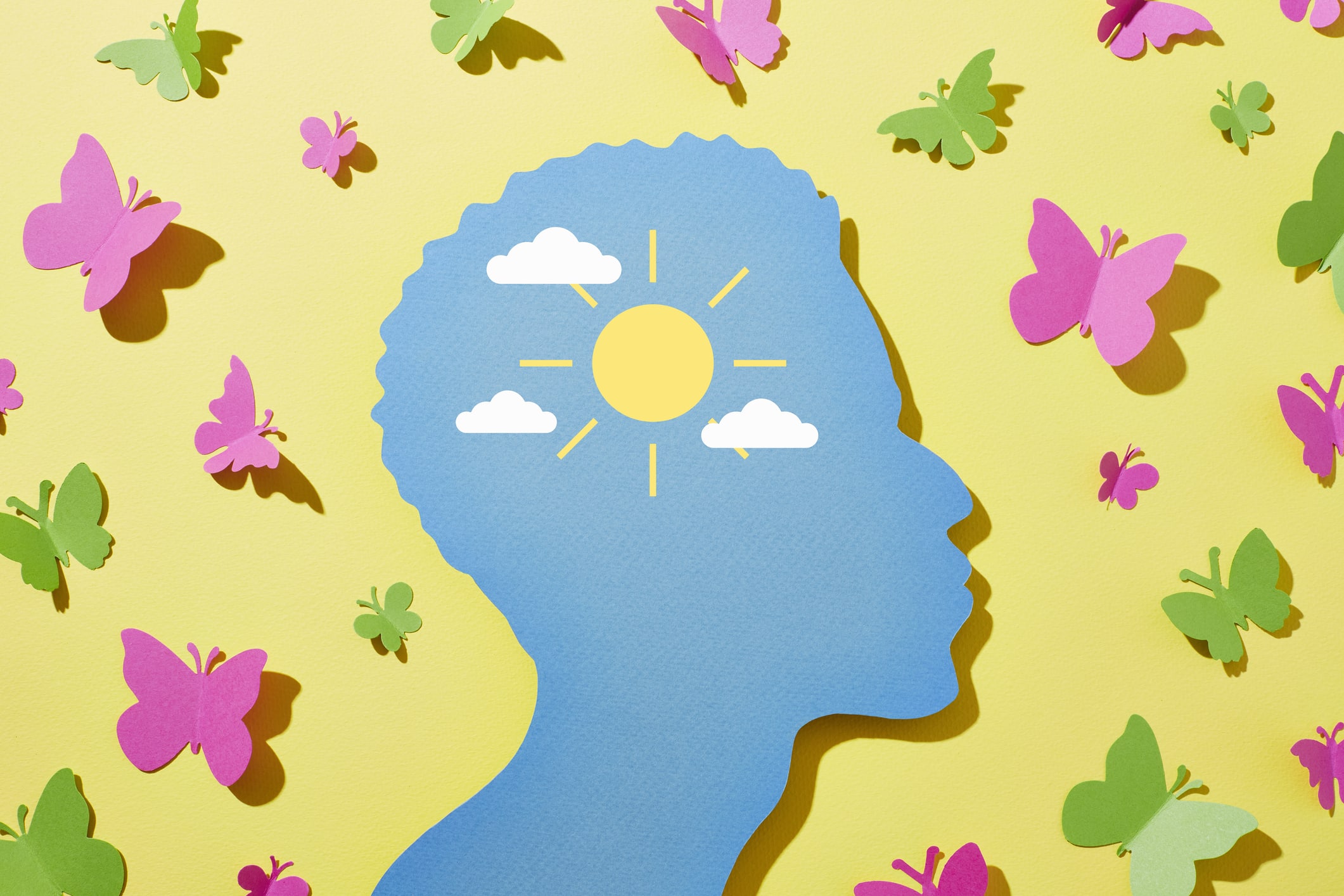
In my journey at the intersection of technology and health care, I’ve often discussed the profound need for mental health awareness in the workplace. We talk about burnout, anxiety, and the relentless stress of our always-on, 24/7 hyperkinetic world. But there is another crucial conversation leaders must embrace: Creating an inclusive workplace that actively celebrates neurodiversity (ND).
I’ve learned that fostering an environment where everyone can bring their whole self to work is not just an act of kindness—it’s a prerequisite for exceptional business performance. About ten years ago, Google undertook to study what makes the best teams. Called Project Aristotle, they discovered psychological safety was the most important factor in building teams.[1] When we consider building a truly supportive ecosystem, recognizing and supporting our neurodivergent colleagues must be a top priority.
The Breadth of Neurodiversity: Rethinking “Normal”
For many years, discussions around neurodiversity tended to narrowly focus on autism. Yet, neurodiversity encompasses a much wider spectrum of cognitive differences, including ADHD, dyslexia, Tourette’s, dyspraxia, and dyscalculia. Thinking about what constitutes “normal” in today’s world is itself a difficult question; I’m not sure we can define it.
The numbers are clear: approximately 15 to 20 percent of the total population is estimated to be neurodivergent.[2] This is not a niche consideration; it is a significant portion of our talent pool.
What many high-achieving founders and entrepreneurs have told me is that they view their neurodivergence, such as dyslexia or severe ADHD, not as a challenge but as a competitive strength. These other differences often translate into unique perspectives, specialized problem-solving skills, and deep creative thinking—assets crucial for challenging the accepted status quo and fostering innovation.
Why Our Best Talent Is Hiding
If neurodivergent talent is so valuable, why are we failing to fully leverage it? Because historically, our conventional workplace structures often work against these employees.
In the U.S. workforce, awareness of ND is severely lacking.
Think about the physical environment alone. Open-plan office spaces, once considered modern and collaborative, can be detrimental to someone with ADHD or autism who is sensitive to noise or visual stimuli. This lack of consideration often forces neurodivergent colleagues to spend energy simply masking their needs just to navigate basic social interactions. If employees feel they need to hide their true selves from co-workers, they will not feel safe enough to trust the system or truly contribute.
It’s astonishing that in a time when some company founders are exploring microdosing to “unlock” creative thinking, we are simultaneously failing to tap into the unique, naturally occurring cognitive diversity right within our own ranks.
Business Tips for Intentional Inclusion
If leaders want to reduce stress-related attrition and maximize the productivity (and personal happiness) of their teams, prioritizing neurodiversity is essential. This requires moving beyond tokenism and developing intentional policies and programs that truly foster a mentally healthy work environment.
Here are key areas where businesses can immediately prioritize inclusion:
- Champion Flexibility and Accommodation: Rigid work schedules and traditional environments are outdated and exclusionary. Accommodations don’t have to be complicated or costly. At a previous company, we accommodated an exceptional engineer who dealt with social anxiety around people by allowing him to work during off-peak hours. We recognized that his high value easily compensated for the non-traditional schedule. Allowing employees to work in a hybrid fashion or granting permission to wear headphones for focus are small adjustments that can significantly impact productivity.
- Invest in Manager Education: Managers are the frontline of inclusion. According to an Ernst & Young study, “Without change, 39 percent of neurodivergent professionals plan to leave their current jobs in the next twelve months, citing poor workplace relations.”[3] That same report found that, “Unfortunately, just 37 percent of respondents indicated that their organization provides neurodiversity training to line managers.”
We must equip managers to understand and manage neurodivergent team members with sensitivity and thoughtfulness. This education helps them facilitate conversations about needed accommodations without judgment, ensuring the employee feels supported to be their authentic self and to share openly.
- Design Processes Collaboratively: Whose voices are heard when launching new systems or redesigning physical office spaces? Employers must seek input from neurodivergent employees. We cannot continue designing spaces that inherently create distraction and anxiety for a significant portion of the workforce. According to the American Society of Interior Designers, we can create spaces with neuropsychology and psychology safety in mind.[4]
- Tailor Mental Health Support Programs: Mental health support should not be one-size-fits-all. It must address specific needs. I know from my experience at Calm Health that demand for specific, tailored programs is rising dramatically. For instance, ADHD support is currently the most requested program from employers engaging with us. While developing tailored programs for conditions like autism requires specialist expertise and is challenging, particularly due to underfunding in the wider healthcare system, prioritizing quality, targeted solutions over a wide range of unused generic options is crucial.
For those navigating complex challenges like neurodiversity, the foundation for support remains the same as for general mental wellness: providing accessible, high-quality resources, fostering a culture of psychological safety, and ensuring physical and mental health resources are integrated.
Creating an inclusive workplace demands that leaders listen, recognize talent in all its forms, and build systems that enable everyone to thrive. The conversation must continue, openly and compassionately. Only then can we unlock the full creative and intellectual power of our teams.
[1] Google re:Work, “Understand Team Effectiveness,” re:Work with Google, accessed October 14, 2025, https://rework.withgoogle.com/intl/en/guides/understanding-team-effectiveness.
[2][Bryn Healy, “Neurodiversity in the U.S.: 19% of Americans Identify as Neurodivergent,” YouGov, November 14, 2024, https://today.yougov.com/health/articles/50950-neurodiversity-neurodivergence-in-united-states-19-percent-americans-identify-neurodivergent-poll.
[3] Errol Gardner, Amanda Gethin, Hiren Shukla, and Grantley Morgan, “How can action on neuroinclusion accelerate business transformation?” EY (Global), June 18, 2025, https://www.ey.com/en_gl/insights/consulting/how-can-action-on-neuroinclusion-accelerate-business-transformation. (ey.com)
[4] Charrisse Johnston, “The Neuropsychology of Space: Designing Environments for Emotional Well-being,” American Society of Interior Designers (ASID), August 26, 2024, https://www.asid.org/news/the-neuropsychology-of-space-designing-environments-for-emotional-well-being. (asid.org)